Modernisation as a blank slate.
When a marketing team commissions a refresh of a 50-year-old brand, the easiest reflex is to treat heritage as a constraint to overcome. The brief becomes a list of what to remove. Wordmark, retired. Mascot, retired. Colour, modernised. By the third round, the redesign has erased the brand's recognition entirely. The brand looks contemporary and forgettable in equal measure.
Heritage equity is not built in a sprint. It is built across decades of category fluency. The shopper walking past your pack is reaching on instinct, not on logic. That instinct is the moat. Erase it and you have voluntarily surrendered the moat.
Rank every cue by recognition value.
Before touching a single line of artwork, we audit every visible element of the pack. Wordmark, mark, colour palette, finish, typography, structure, narrative cues. Each one gets ranked by how much it carries the brand for the shopper. Some elements are doing eighty per cent of the work. Some are decoration.
The audit is uncomfortable for the brand team because elements they assumed were sacred turn out to be peripheral, and elements they were ready to discard turn out to be the recognition spine. The discipline is letting the data decide, not the personal preference of the new marketing director.
The shopper walking past your pack is reaching on instinct, not on logic. That instinct is the moat.
Protect the top twenty. Evolve the rest.
The working rule for a heritage rebuild. Identify the top twenty per cent of equity by recognition value. Protect it. Refine it where needed but do not replace it. Then take the remaining eighty per cent and treat it as new territory. New typography, new finish, new colour expression, new architecture. The brand reads as modern and recognisable in the same moment.
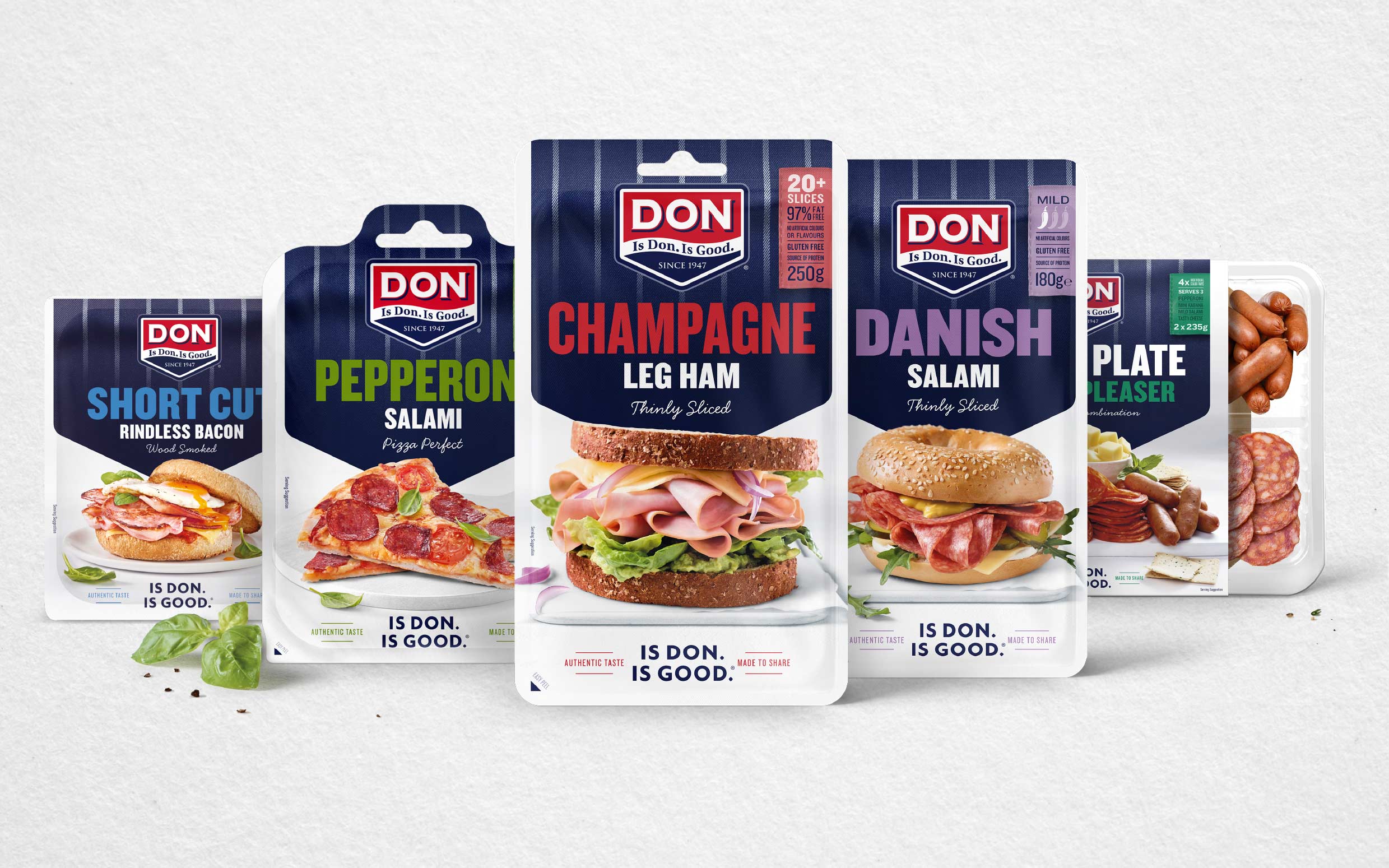
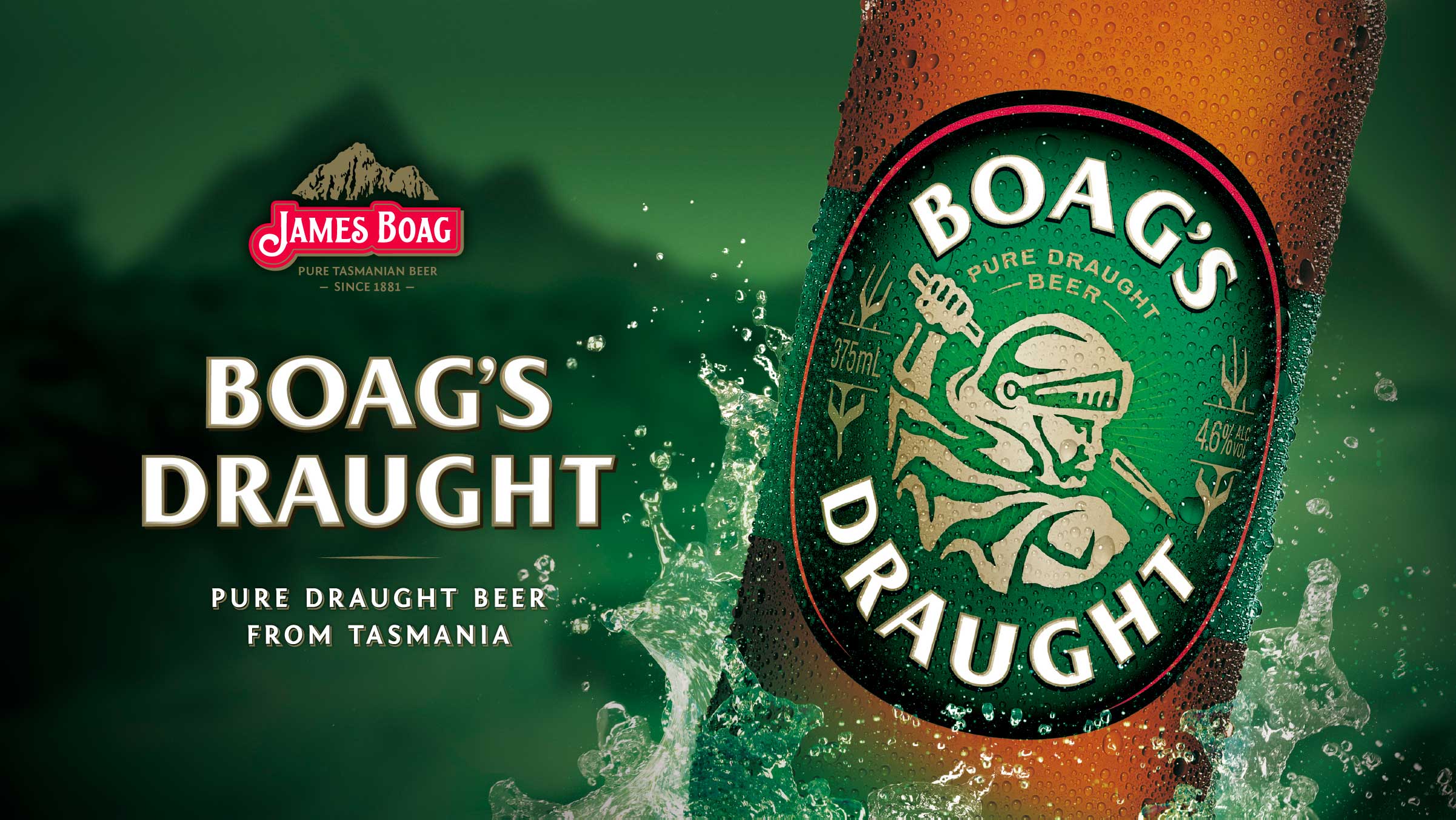
Boag's. Cenovis. Helga's. Don. Every heritage rebuild we have shipped follows the same logic. Find the cue that the shopper reads as the brand. Sharpen it. Let everything else be the canvas for the new expression. The work that looks like a confident rebuild from a distance is, structurally, a careful refinement of the asset that matters.
Confusing modernisation with relevance.
A pack that looks contemporary in 2026 will look dated in 2032. A pack that earns its recognition spine in 2026 will still be doing work in 2046. The trap of modernisation is treating it as the goal. Modernisation is a side effect. Relevance is the goal. The brands that confuse the two end up redesigning every five years and never compounding any equity.
The brief is not to make the pack look new. The brief is to make the pack work harder while it stays recognisable. Hold the line on that and the work compounds across decades, not seasons.