Twenty years of shelf, in writing.
Editorial · POV
Working notes on FMCG packaging, retail strategy, and the brands that earn the shelf they sit on. Written by Morice Kastoun, founder and creative director. New pieces published when there is something worth saying.

Why most supplement brands look identical.
The vitamins aisle is a sea of white, blue and green. The category has trained itself to look the same. Here is what to do about it.
Read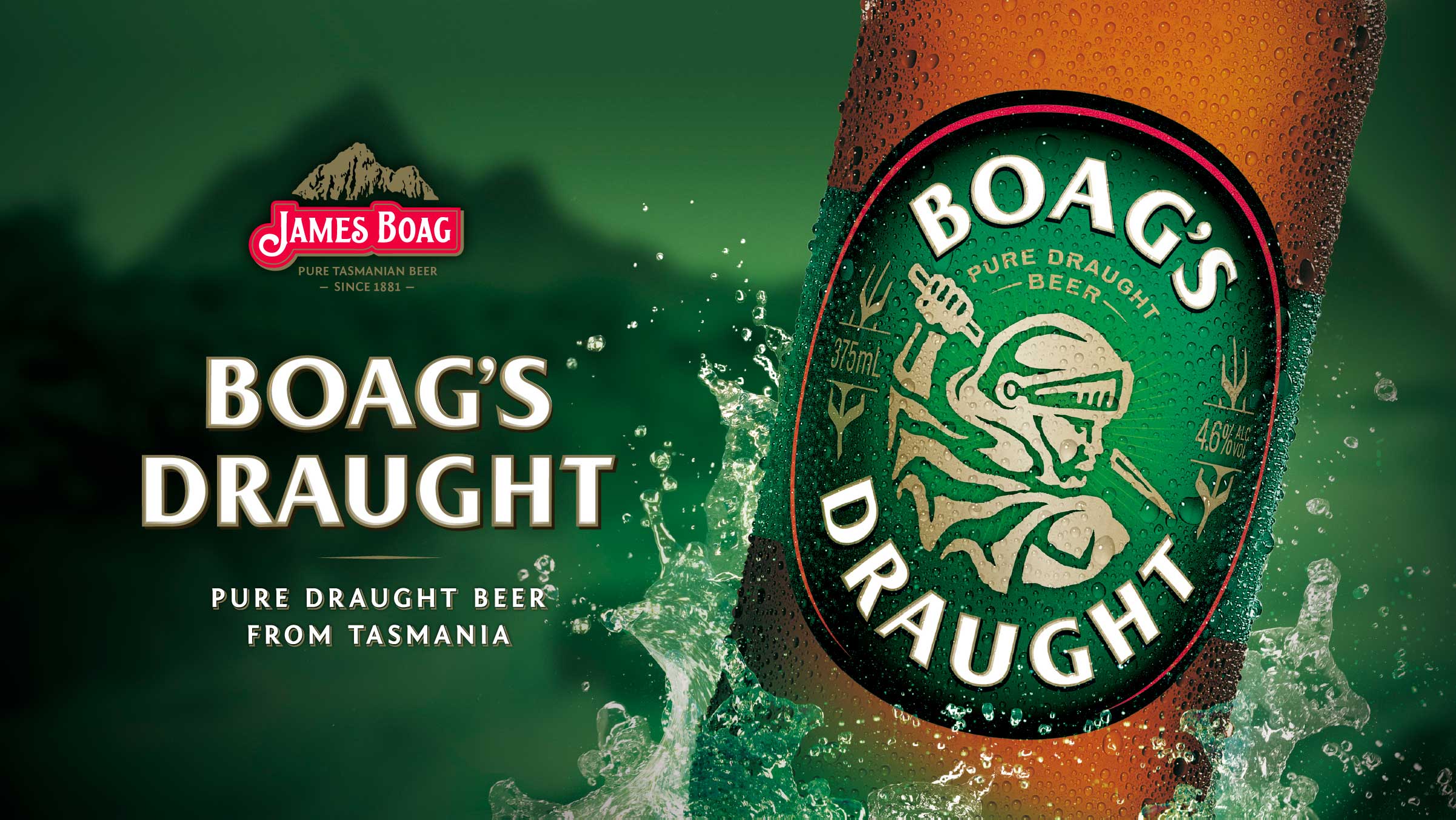
Heritage rebuild. When to keep, when to burn.
Heritage equity is the hardest asset to manufacture and the easiest to throw away. A working rule for what stays and what goes.
Read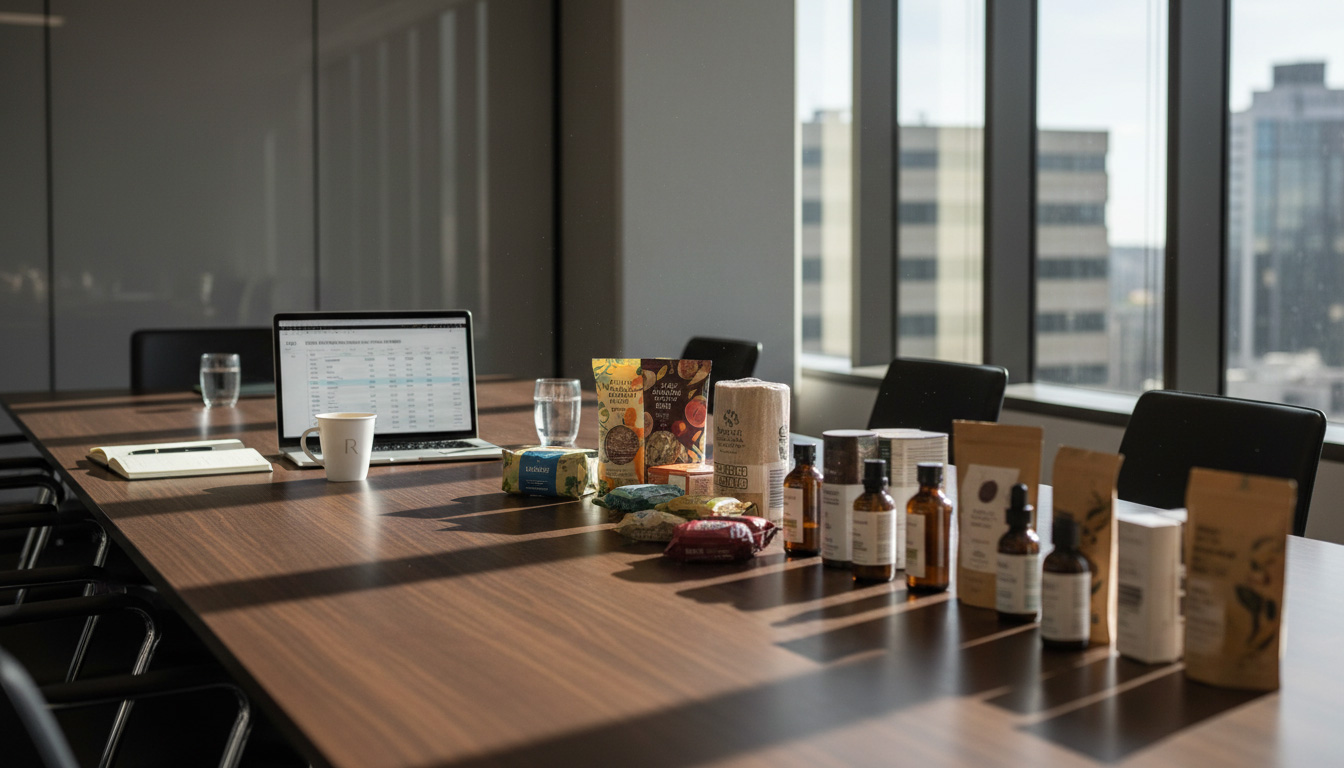
Coles, Woolworths, Chemist Warehouse. What they actually want to see.
After twenty years pitching packs to major retailers, a few patterns are clear. What category managers reward, what they reject, and how design changes the conversation.
Read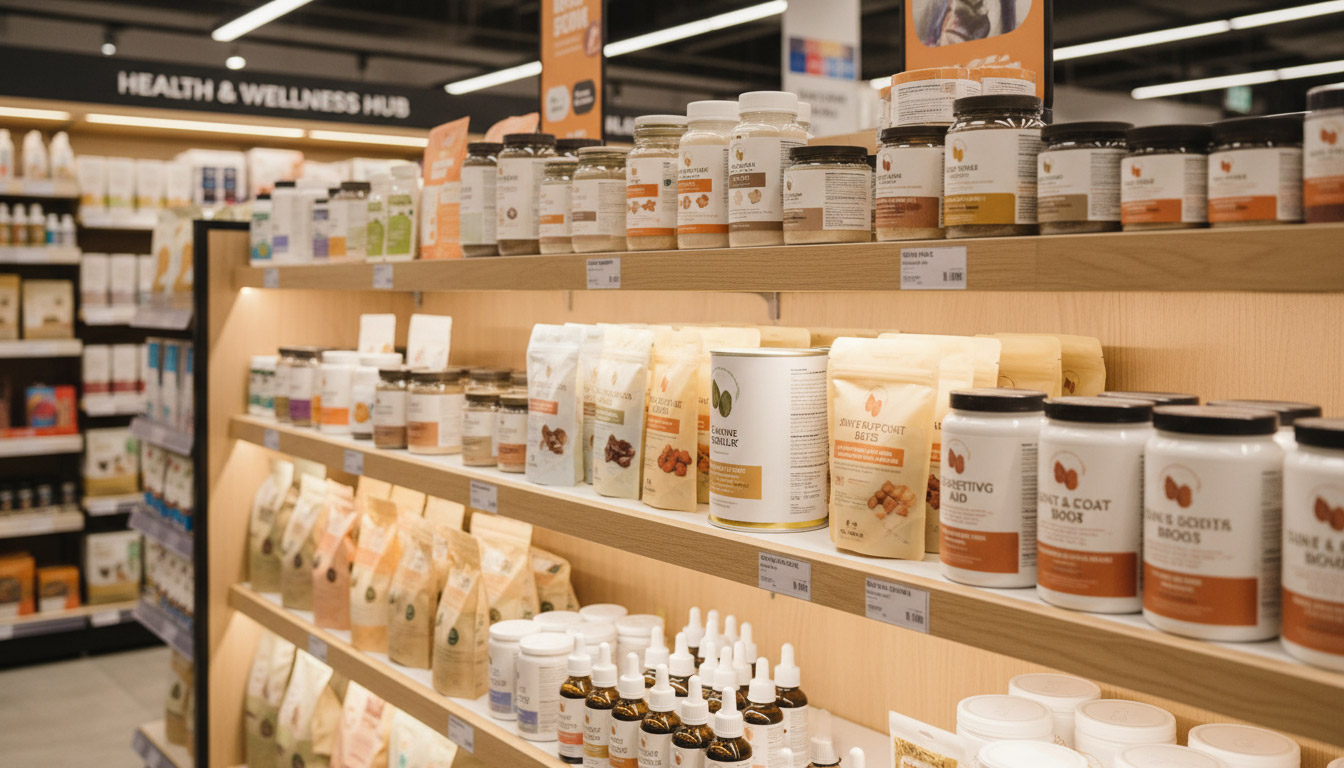
Pet wellness is the next supplement category.
What happened in human supplements is now happening in pet. The brands that win the next decade are starting to look like premium consumer products, not vet shop products.
Read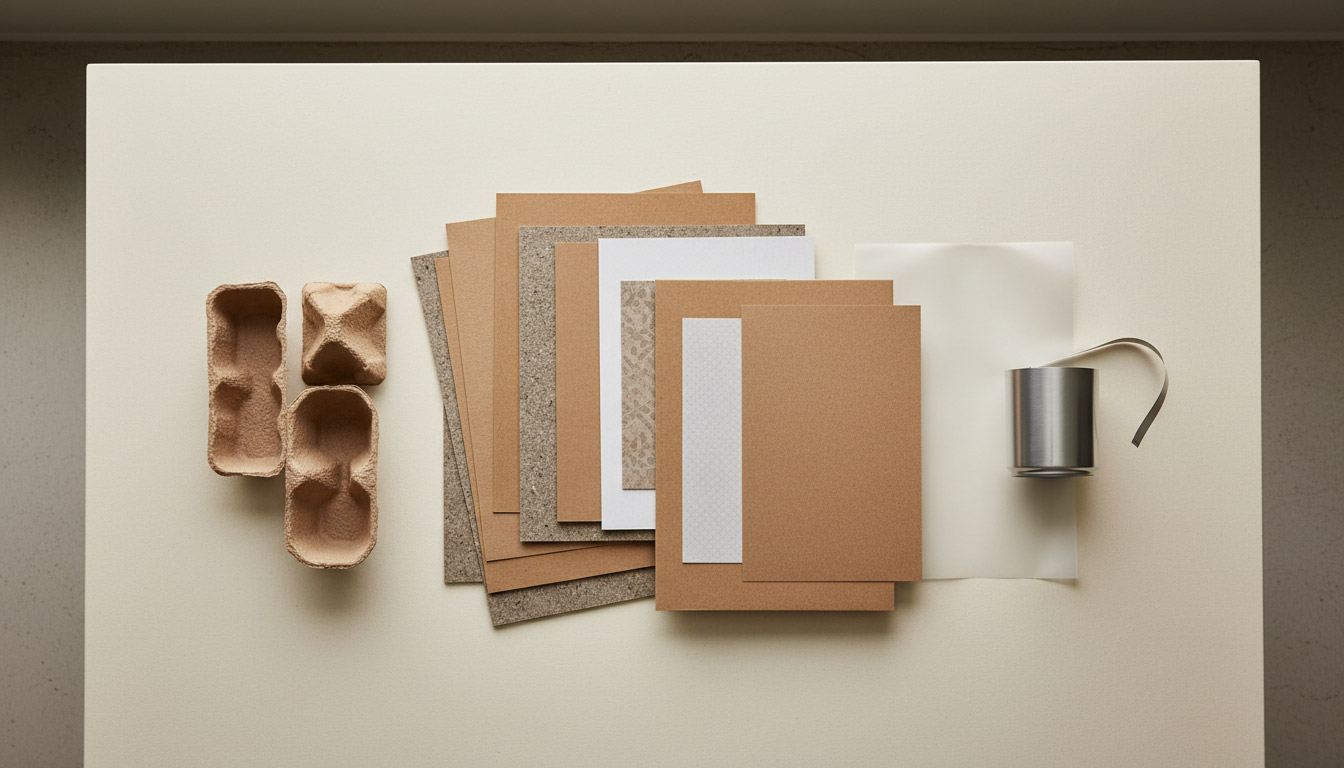
Recyclability now has a price tag. Design accordingly.
From this financial year, APCO fees are eco-modulated. Hard-to-recycle packaging will cost more to put on shelf. Sustainability just moved from the brand deck to the P&L.
Read
How to brief a packaging designer.
The brief decides the outcome long before the first sketch. Here is what a good brief actually contains, what to leave out, and the one-page template we send to every new client.
Read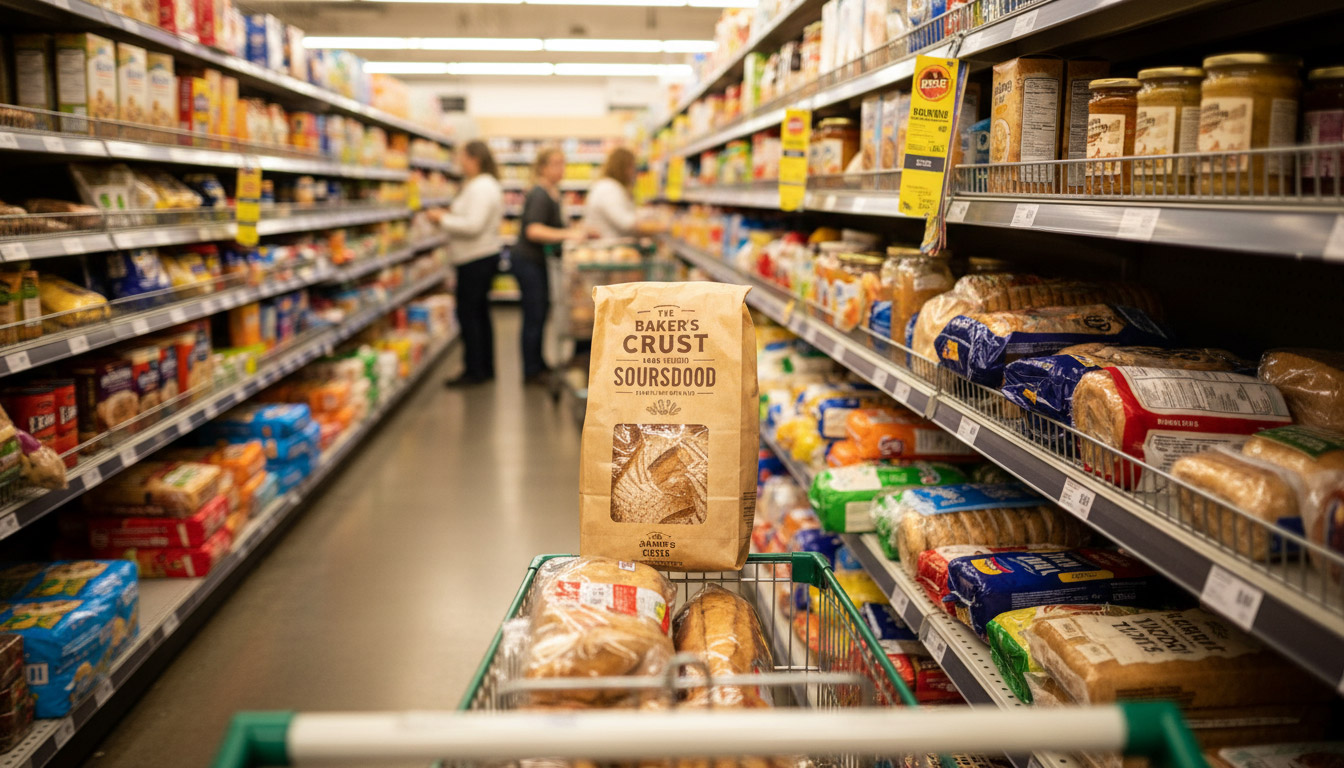
What makes packaging win on Coles and Woolworths shelves.
Twenty years of shipping into Australian supermarkets, distilled. The patterns that separate the packs category managers list from the ones they replace at the next review.
Read
How much does packaging design cost in Australia.
The honest cost bands, tier by tier. What drives the number up, what hides in the fine print, and how to know you are paying for value rather than overhead.
Read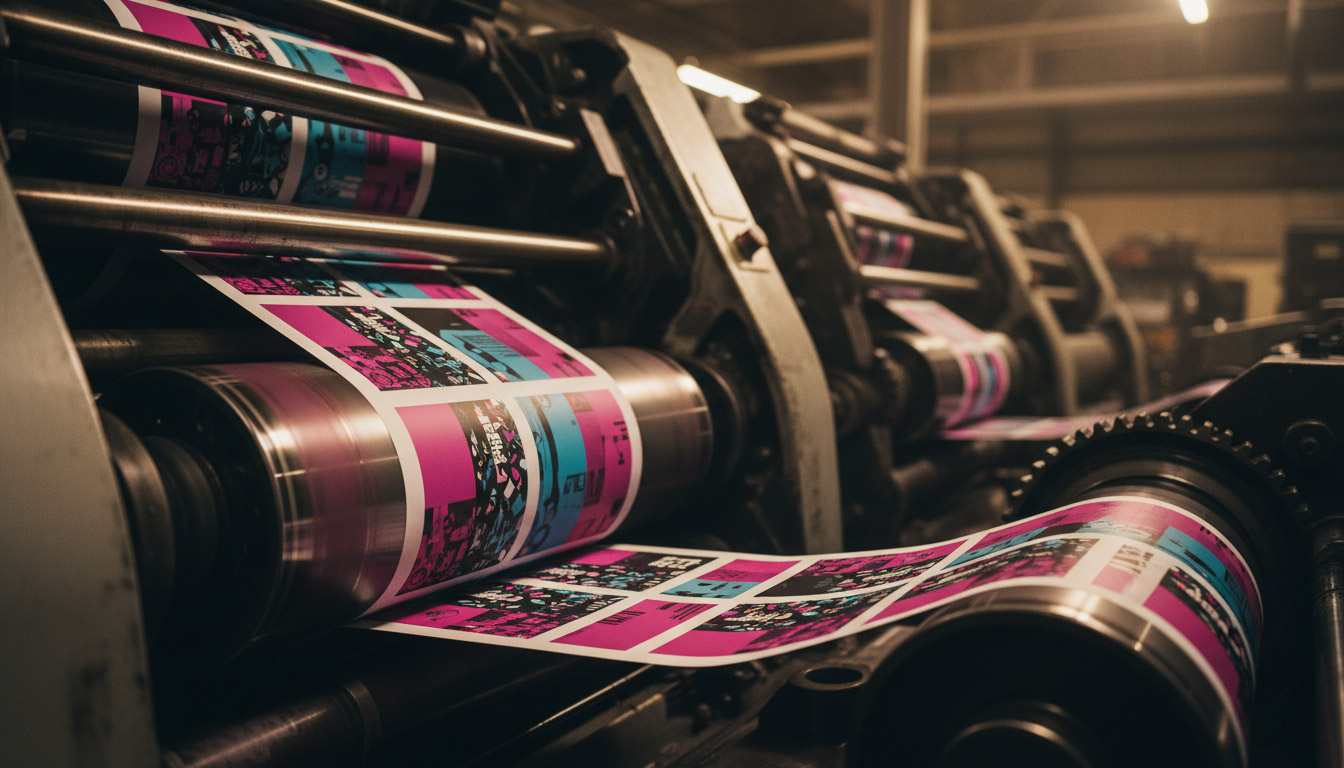
Digital versus print image quality. The rules that actually matter.
The three numbers everyone gets wrong, the file formats that break print, and the prepress checklist we run before any pack ships to the manufacturer.
Read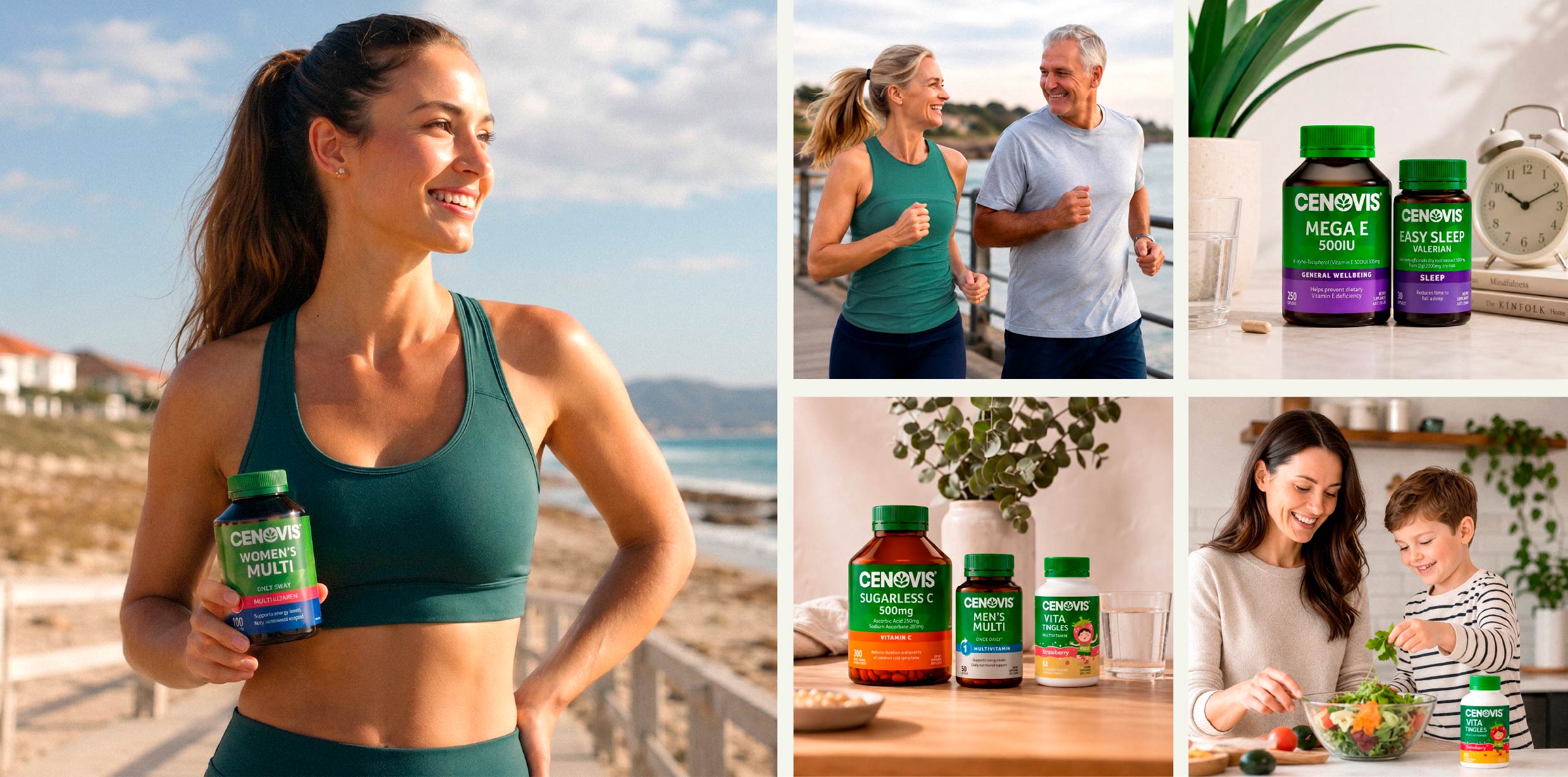
Keep GLP-1 off your pack.
GLP-1 friendly claims are multiplying on US packs, and Australian supplement ranges are already forming around the same three letters. The appetite shift is real, but the acronym is a trap.
Read
FMCG branding: a complete guide for Australian brands.
What FMCG branding actually is, why it works differently from every other kind of branding, and what an Australian FMCG brand actually needs to compete on shelf.
Read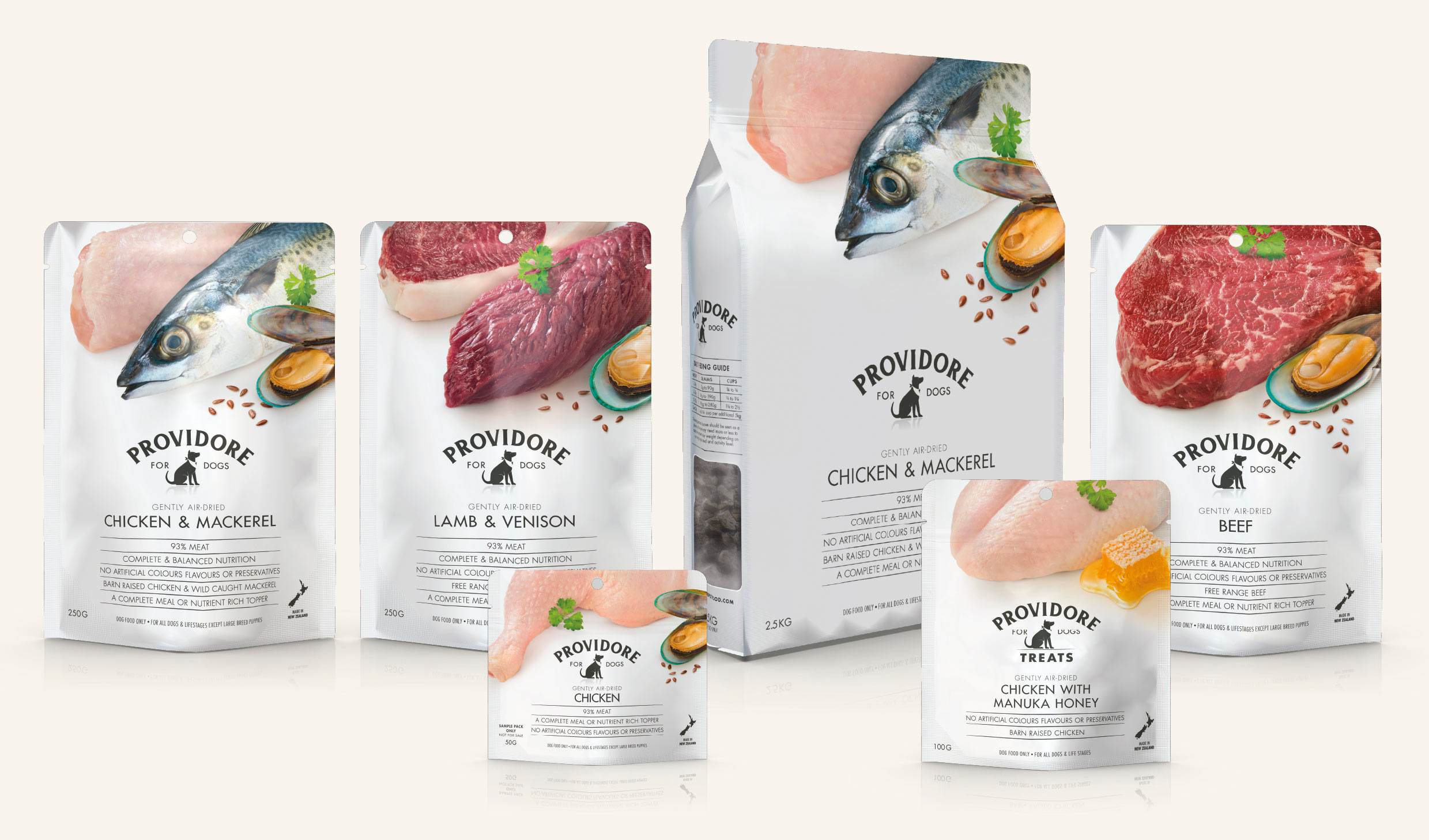
Pet packaging design in Australia.
The Australian pet aisle is one of the fastest-growing FMCG categories in the country. Here is what wins on Petbarn, PetStock and Amazon shelves, and what quietly loses.
Read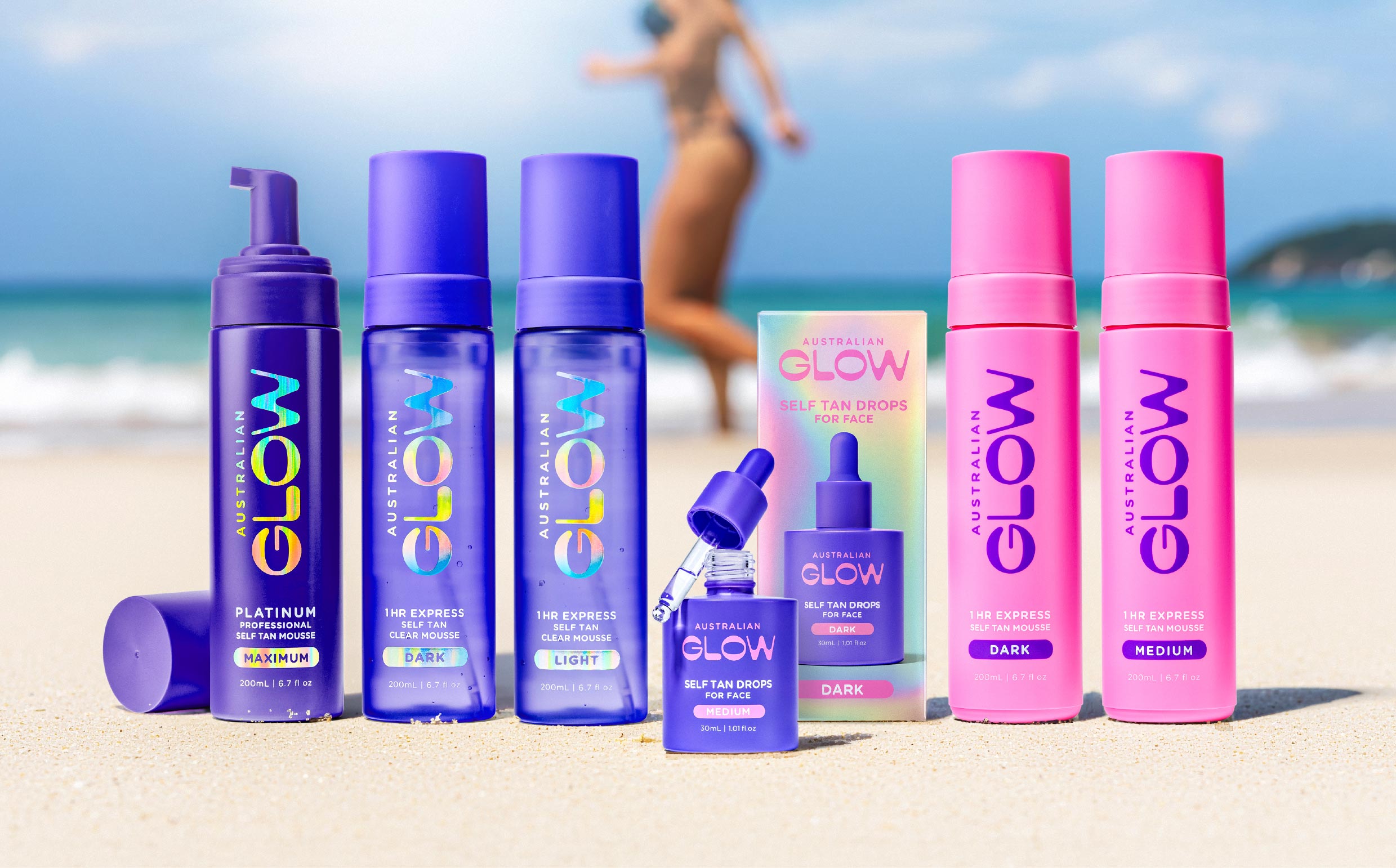
Beauty packaging design in Australia.
Australian beauty lives across Priceline, Mecca, Sephora US, Chemist Warehouse, Myer, and Amazon. Every retailer wants a different pack. Here is what actually holds across all of them.
Read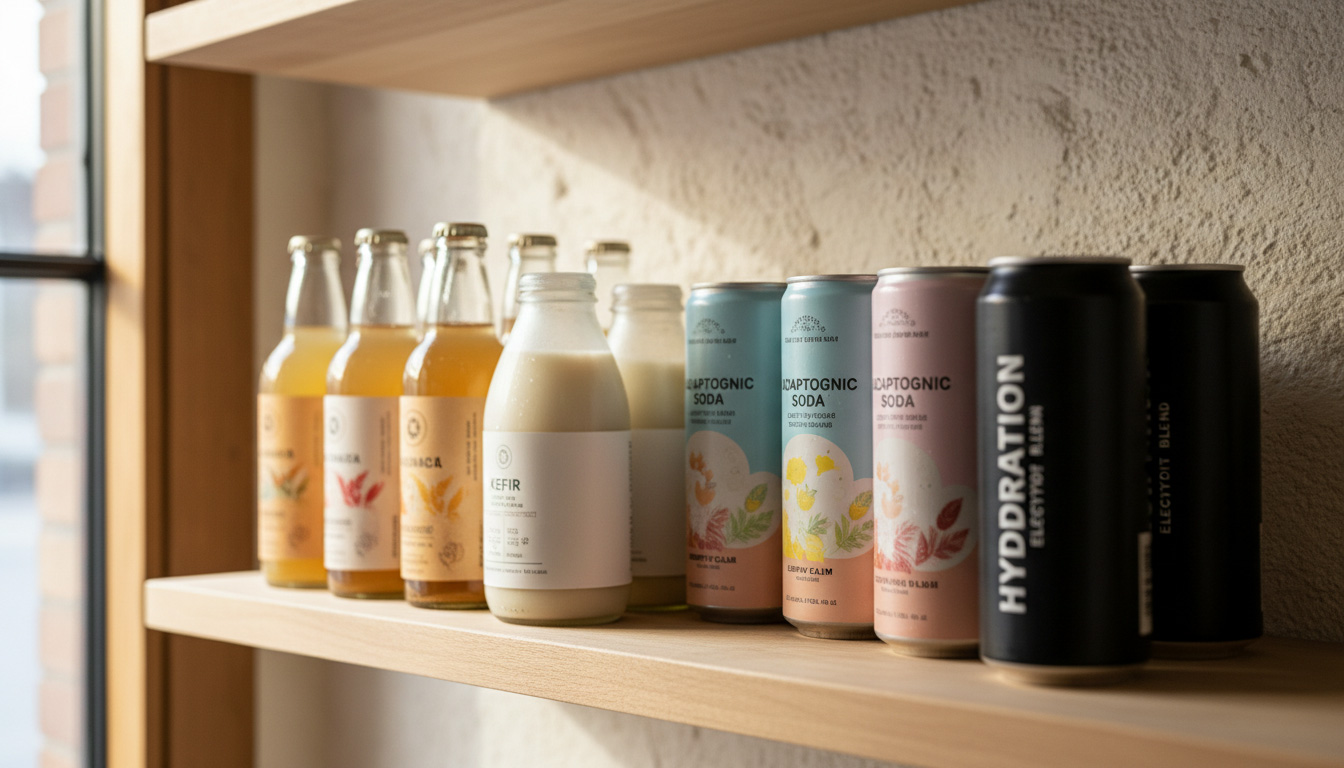
Functional beverage packaging design.
Functional beverage is the fastest-growing FMCG category in Australia. Kombucha, kefir, adaptogenic soda, hydration mixes, functional beer. The packs that win the shelf are the ones that treat function as a design constraint, not a marketing claim.
Read
Bright is the new beige.
The minimalist decade is ending and every brand is lunging for the brightest colour in the aisle. When the whole shelf goes loud, loud becomes the new wallpaper.
Read
Coles vs Woolworths packaging specs. What actually differs.
Both retailers accept the same categories. Both run category reviews on similar cycles. But the artwork specs, barcode rules and pre-press expectations differ enough to catch first-time suppliers out. Here is what changes between the two.
Read
The five most expensive packaging design mistakes.
Every serious packaging mistake shows up on the P&L somewhere. Reprint bills, delisting risk, lost margin, blocked shelf presence. Here are the five that cost brands the most, and how to avoid each.
Read
Private label vs national brand packaging. The commercial trade-off.
Both live on the same shelf. Both compete for the same shopper. But the economics, design brief, and creative constraints are different enough that the choice between them shapes the whole brand strategy.
Read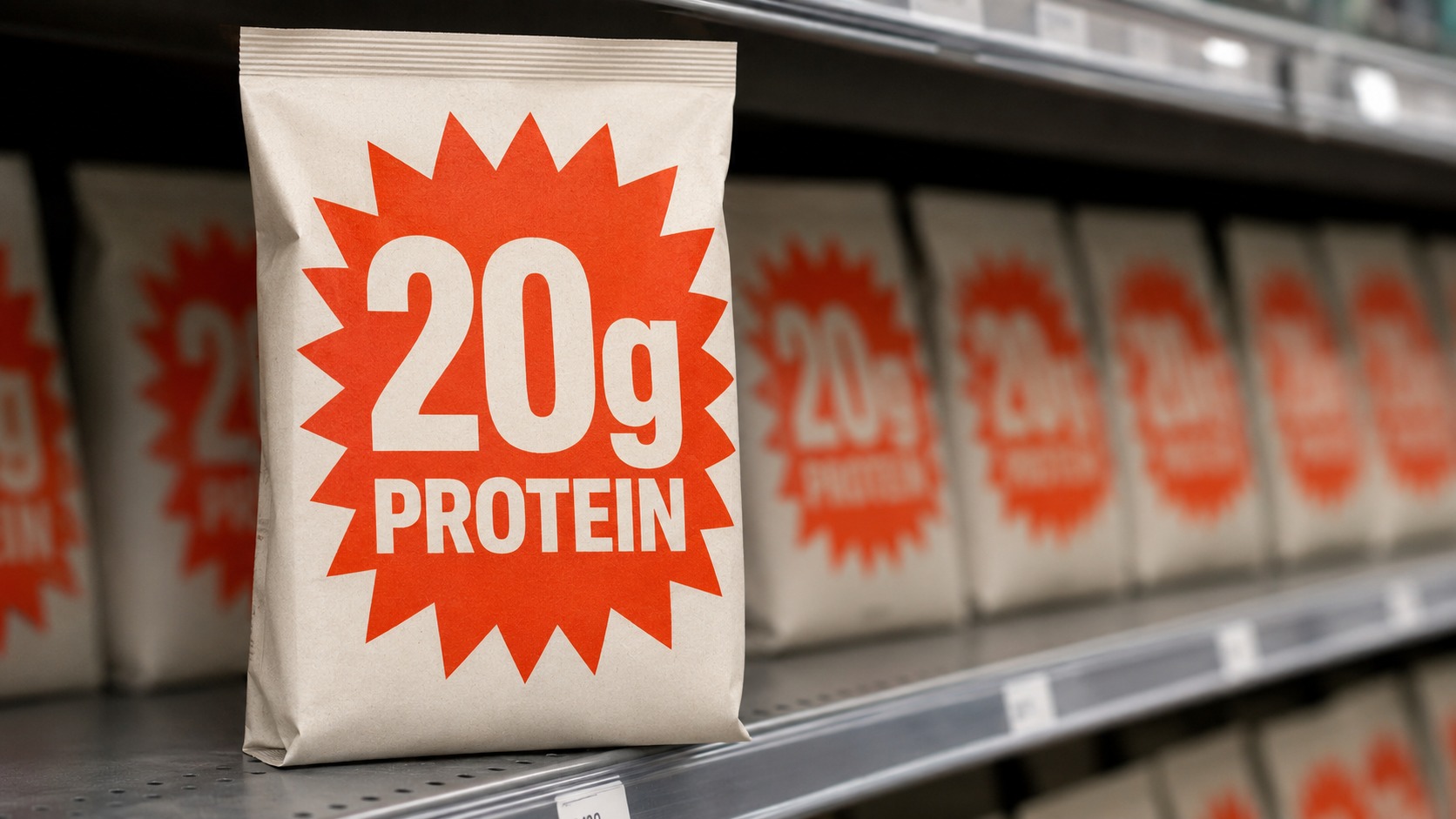
Protein is not a positioning.
Protein has spread from the gym aisle into bread, coffee, ice cream and pet food. When every pack carries a gram count, the gram count stops selling anything.
Read
AI made competence free. Distinction still costs.
Any founder can now generate a competent-looking pack in an afternoon. The problem is that so can every competitor, from the same tools and the same training data.
Read
Canberra dropped the packaging law. Your retailer picked it up.
The federal government has shelved the national packaging scheme, and plenty of brand owners read it as a reprieve. It is the opposite, because the pressure just moved from a regulator with a timeline to a retailer with a range review.
Read