The floor came up. The ceiling did not move.
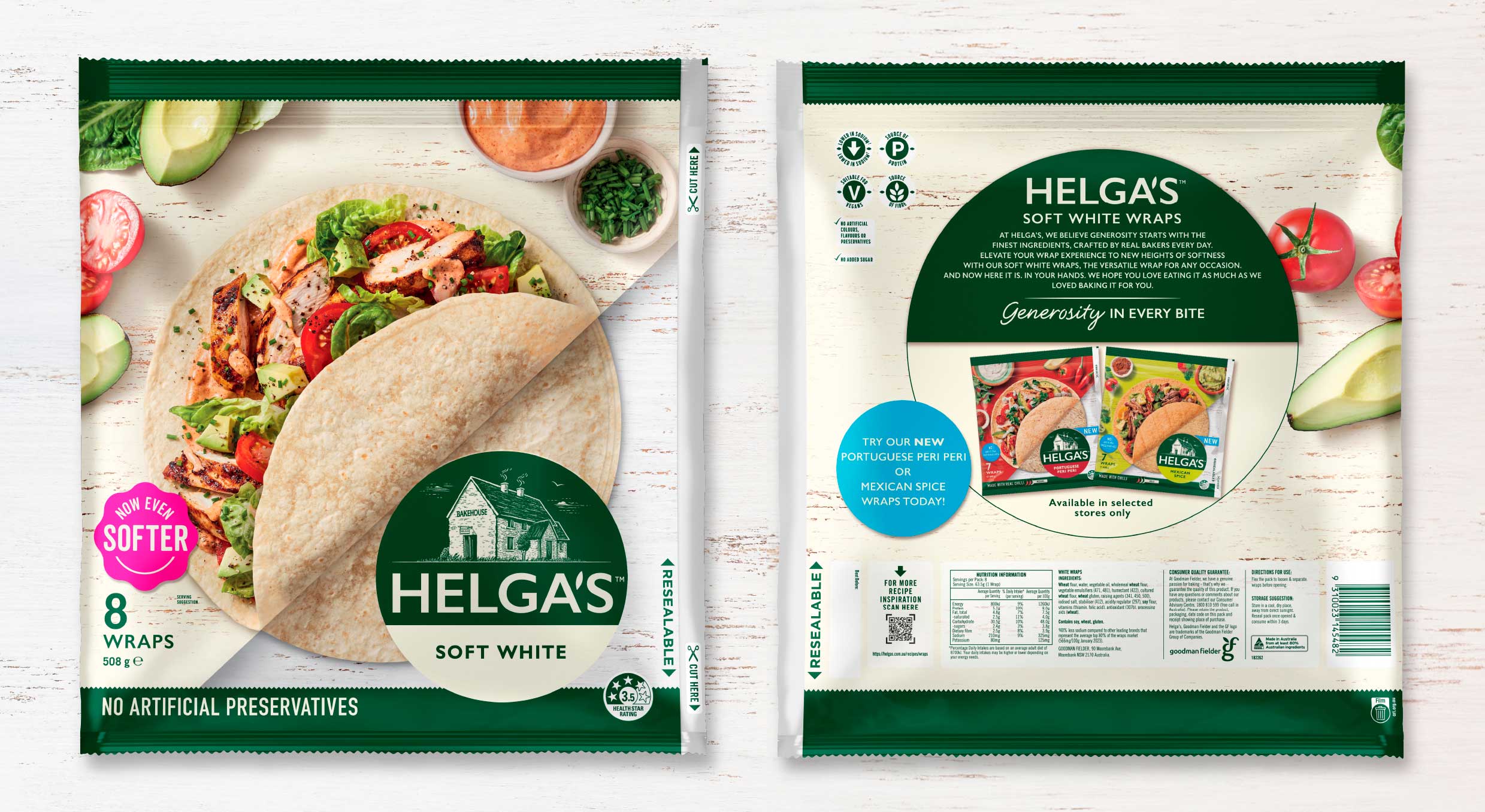
For thirty years the gap between an amateur pack and a professional one was obvious at a glance. Bad kerning. Stock photography. Six typefaces. A shopper could read incompetence from two metres away and the brand paid for it in trust. That gap has closed. Generative tools now produce clean type, plausible hierarchy and convincing renders on demand, and they do it for the cost of a subscription.
This is good news for anyone who could never previously afford to look credible. It is bad news for anyone who was relying on looking credible to win. When the floor rises, everything sitting on the floor rises with it. The pack that used to stand out because the others looked cheap now sits in a fixture where nothing looks cheap and nothing looks like anything in particular.
Australian brand owners are being pitched this as a cost story. Faster concepts, fewer rounds, lower fees. The cost story is real. The shelf story is the one nobody is putting in the deck.
Same tools, same references, same shelf.
These tools are trained on what already exists and they are optimised to return what looks correct. Ask for premium supplements and you get the visual average of every premium supplement pack ever published. Ask for a clean pet wellness look and the same aesthetic arrives, because the same weighting produced it. The output is not random. It is the category mean, delivered with confidence.
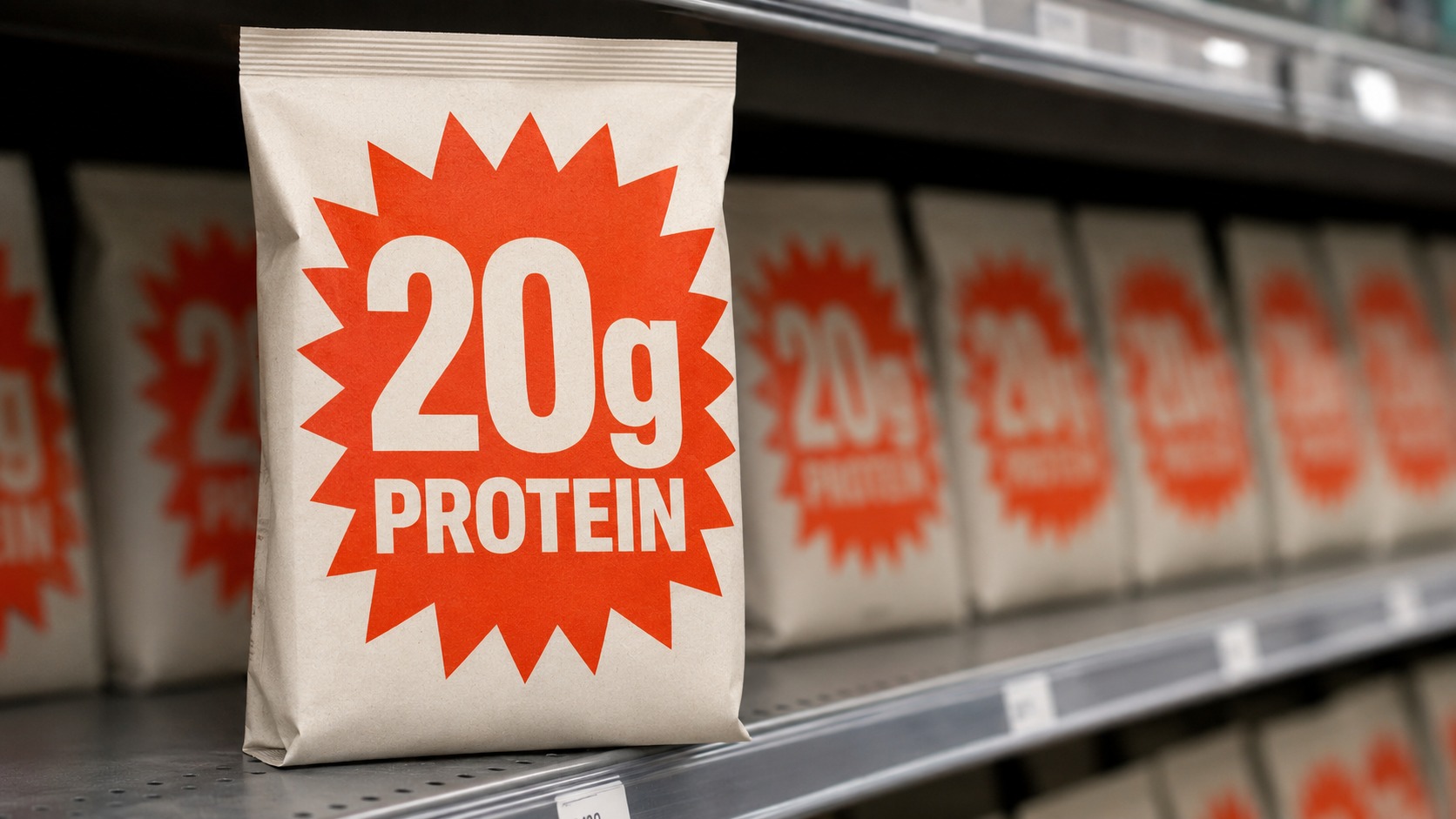
Now run that across a whole aisle. If a third of a category is briefing similar prompts into similar tools, that category loses visual contrast at exactly the distance where contrast decides the sale. Everything reads as competent. Nothing reads as itself. Global industry commentary through 2026 has started naming this directly, and the counter-move already has a label, which is usually the sign that a shift has become measurable rather than theoretical.
There is a second cost that shows up later. Work generated this way tends to look excellent on a screen at 100 percent and collapse under supermarket lighting at one metre, because it was judged in the conditions it was made in rather than the conditions it has to sell in. That failure mode is not new. It is just cheaper to produce at volume now.
Competence used to be the entry fee. Now it is the ceiling for anyone who stops there, and the ceiling is crowded.
Own something that cannot be prompted.
The assets that survive this are the ones with authorship in them. A logotype drawn for one brand and no other. An illustration style with a hand behind it. A structural or material decision that costs money to copy. A colour the category has decided is wrong. These are not nostalgic preferences. They are the only things left that a competitor cannot approximate in an afternoon.
Dr Pickles is the clearest version of this we have worked on. The equity does not live in a layout or a typeface selection. It lives in a hand-drawn world that belongs to that brand, built from a specific culture, and it is legible from across a store. Nothing about it is the category average, which is precisely why it holds a shelf position that far larger budgets have not taken off it.
Be careful with the obvious overcorrection. Adding wobble and grain because imperfection is trending produces a new sameness within a year, and it will look dated faster than the thing it was reacting against. Texture is not strategy. The question is not whether a pack looks handmade. It is whether any part of it could only have come from this brand.
Where to spend, where to automate.
- Automate the volume work. Variants, sizes, language versions, artwork rollout across a range. Machines are genuinely better at consistency than people are.
- Spend on the one asset the brand will still be using in ten years. Usually a wordmark, an illustration system, or a structure.
- Test every concept at one metre under retail lighting, not at 100 percent on a screen. Most generated work fails this and it fails quietly.
- Ask what a competitor could copy by Friday. If the answer is most of it, the design is not finished.
- Protect the proprietary asset properly. Register it, apply it with discipline, and do not let a redesign quietly delete it.
The brands that lose this cycle will be the ones that read cheaper production as a saving and stopped there. The brands that win will take the money the tools freed up and put it into the one thing the tools cannot reach. Distinction was always the expensive part. It is now the only part worth paying for.