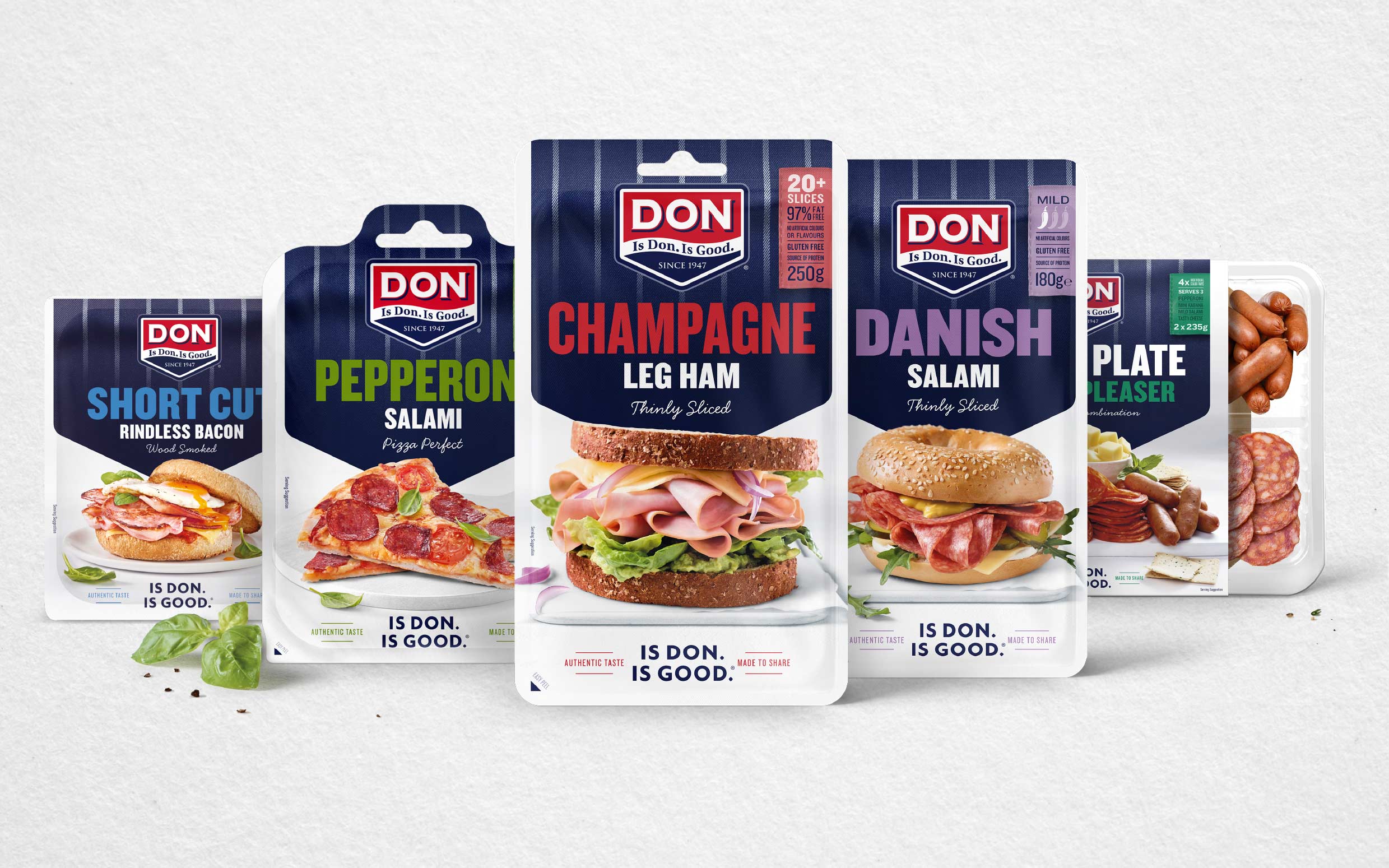
A brief is a decision, not a wish list.
Founders arrive at a designer with a brand they want to build. Marketers arrive with a rebrand they want to protect. Both come with a wish list of visual references, competitor packs, and mood. All of it is useful. None of it is the brief. The brief is the commercial decision the design is trying to serve. Everything else is a preference.
A good brief starts with a single sentence that names the commercial job. Something like: 'We need a pack that moves the range out of the health aisle and into premium supplements at Chemist Warehouse.' That sentence sets the frame for every design decision that follows. The typography has to earn the premium. The colour has to signal supplements. The hierarchy has to work under retail lighting. One sentence, five months of work.
The five things every brief must answer.
- The commercial goal. What decision does this design help the shopper make. What sale is it trying to win.
- The retail channel. Coles. Woolworths. Chemist Warehouse. DTC. Independents. Each one changes what the pack has to do.
- The competitive context. Who is the shopper comparing this pack against on shelf. Name the three packs you fear.
- The timing. Retailer category review date. Manufacturing lead time. Marketing calendar. Deadlines drive scope.
- The budget. Ballpark is fine. It stops both sides wasting time on wrong-sized proposals.
That is it. If a brief answers those five clearly, the designer can build the strategy. If it answers less than three, the studio will have to reverse-engineer them in kickoff which costs a week and creates ambiguity.
What most briefs get wrong.
The first trap is prescriptive aesthetics. 'We want it to feel like Aesop, but for pet food.' The reference tells us nothing about what the pack has to earn. Aesop earns luxury through restraint on a beauty counter. Pet food is bought in bulk at eye level in Coles. The same restraint would tank at shelf. Aesthetic references are useful in concept. In brief, they are noise.
The second trap is hiding budget. The brief says 'competitive' and the designer proposes a boutique-studio package for a large-agency budget. Or the reverse. Neither side wins. Range the budget honestly and you get a proposal calibrated to it in five days, not five weeks.
The third trap is over-scoping SKU targets. A brief that names forty SKUs across three sub-brands is not a packaging brief. It is a range architecture brief. Different work, different fee, different timeline. Recognise the distinction and scope the first stage as strategy.
A one-page brief that actually works.
The best briefs we receive fit on a page. Sometimes literally a single email. What matters is not the format, it is the discipline.
- Commercial goal, one sentence.
- Product, one paragraph. What it is, who buys it, why they buy it.
- Category and channel. Where it sells, next to what.
- The three packs we compete against on shelf.
- What we want the shopper to think in three seconds at the fixture.
- Timing. Category review or launch date.
- Budget band. Fine to give a range.
- One thing that must be true. The one non-negotiable design constraint the client will not move on.
The client who writes the tightest brief usually gets the sharpest concepts. Not because the studio works harder for them. Because the studio can. The brief made the sharp thinking possible.
How a good studio responds.
A proposal within five working days. Fixed fee, scoped to the brief. A clear four-stage rhythm from discovery to production. Named deliverables at each stage. A conversation about who signs off what, and when. If the response comes back with hourly rates and a vague scope, that is a signal. Fixed fee against a written brief is how modern studios work.
The right brief is the shortest path from the problem to the shelf. Time invested in writing it well is the highest-leverage hour in the entire project. If you do not know how to write one, ask the studio for a template. Any studio worth working with will send you one before the first meeting.