Every pack is read three times.
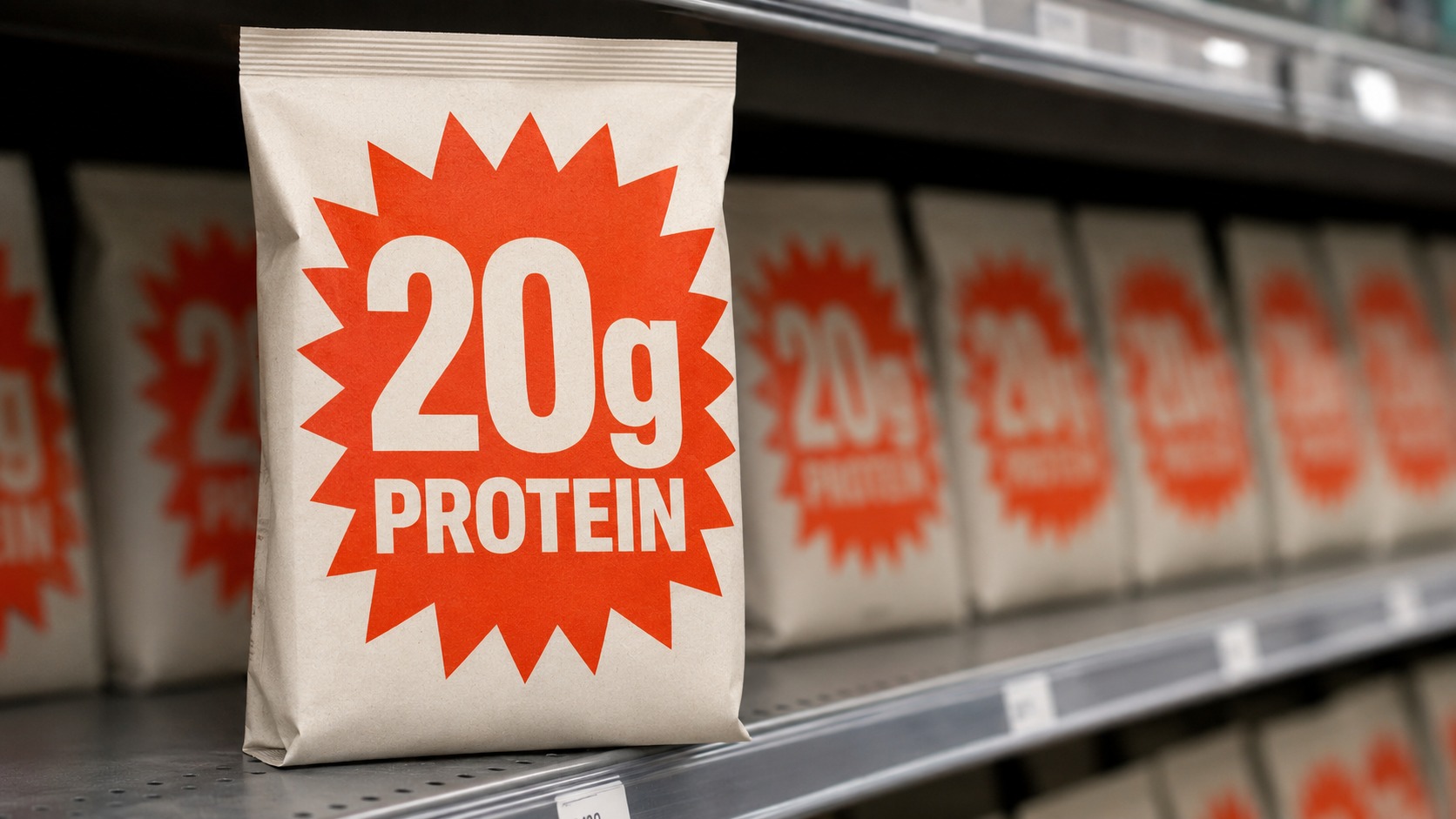
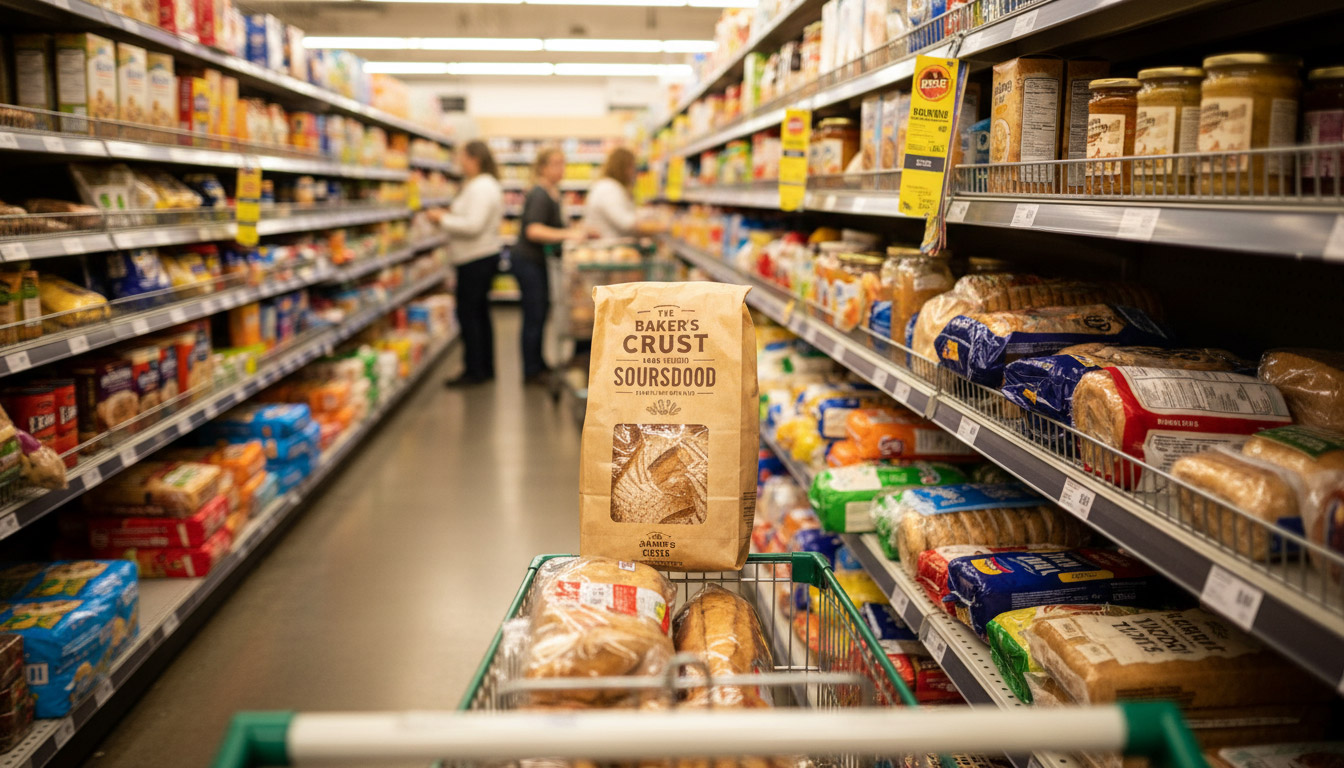
From four metres, the shopper reads silhouette, colour and shape. From two metres, they read the brand mark, the variant, and the one claim that matters. From thirty centimetres, they read the finish, the substrate, the story on the back. Every pack that ships from Morice&Co. is pressure-tested against all three distances. We call it Shelf Logic. The point is not the framework. It is that most packs fail one of the three and get quietly rotated out at the next category review.
Sales per linear metre.
The category manager at Coles or Woolworths does not care about your brand story. They care about sales per linear metre of shelf. Every SKU listed takes a slot from another SKU. When you pitch, they are running the maths in their head: will this pack outsell the one it is replacing. That maths is settled in the first thirty seconds of looking at your pack on the boardroom table.
Which means the pack itself is the argument. The deck is supporting material. If the pack does not read as distinctive, category-fluent, and priced-right within a glance, no volume forecast will save you. Understand this and everything about the design conversation changes.
What the category-leader packs share.
- A silhouette a shopper can recognise from the end of the aisle. Colour block, structural cue, or shape distinctive to the brand.
- One hero claim, not five. The pack that lists every attribute reads as anxious. The pack with one confident claim reads as trusted.
- A price-tier signal in the finish. Matte or embossed cues sit above gloss. Uncoated stock signals premium bread. Foil signals gift. The finish is a category shorthand and every buyer reads it.
- Range architecture that reads at a glance. If a shopper cannot tell the variants apart in two seconds, the range confuses instead of tempts. The best ranges use one anchor and three visual dials that only shift within a controlled system.
- Back-of-pack that earns re-purchase. The front wins the trial. The back and the product together win the second buy. Under-designed backs cost you the second sale.
Three failure patterns we see monthly.
First, chasing the category leader. Every rebrand pitch that begins with 'we want it to feel like [category-leader brand]' is starting from a losing position. The leader wins because they own the code. If you copy the code, you are the discount version of it. Every leader was distinctive when it launched. Distinctiveness is the pattern to steal, not the aesthetic.
Second, over-designing the front. Founder brands often show up with front-of-pack layouts that carry seven claims, three logos, a certification badge, a texture, and a photograph. It is anxious design. Anxious design reads as untrusted. A shopper trusts the pack that looks certain about what it is.
Third, ignoring the top shelf. Retail lighting comes from above. Top-shelf packs get raked by light. Bottom-shelf packs get shadowed. A pack designed on a screen with neutral light will look different in a real store. Great studios prototype in the actual lighting condition before the design is signed off.
What Coles and Woolworths look at, in order.
- Does the pack read as its category from three metres. Yes or no. This is the entry criterion.
- Is the brand mark and range architecture legible without hunting.
- Is the price-tier signal aligned with the RRP. A premium pack at a value price confuses the shopper as much as the reverse.
- Does the substrate and finish look retailer-ready. Is it going to survive backroom handling and shelf abrasion.
- Does the pack extend to future SKUs without breaking the system.
The pack that wins at Coles is not the most beautiful pack in the room. It is the pack that answers the buyer's five questions without being asked.
Design as category strategy.
Category managers list packs that make their shelf work harder. That is the whole game. If your pack raises average revenue per metre, it earns extended shelf space at the next review. If it does not, the next review will quietly move it to the bottom shelf or off entirely. Great design is not decoration. It is category strategy that the shopper can see.
This is why the Australian shelf rewards studios that have shipped through it. Twenty years of category reviews, of shelf audits, of buyer feedback, becomes intuition. That intuition compresses months of iteration into a first-round concept that already knows what the buyer will say.