The fee now follows the pack.
Under eco-modulation, APCO membership fees are calculated from each member's packaging profile. Formats that recycle cleanly attract lower fees. Formats that do not attract higher ones. Recycled content earns discounts. Even colour choices matter, because dark plastics defeat the optical sorters at recovery facilities. Behind this sits mandatory national packaging regulation, with recyclability grading and design requirements on the way.
The mechanism matters more than the dollar amounts. For the first time in Australia, a packaging design decision carries a recurring cost consequence that a finance director can see. Every laminate, every metallised film, every mixed-material pouch is now a line item that compounds annually. The design studio and the CFO are suddenly in the same meeting.
Premium cues are the first casualties.
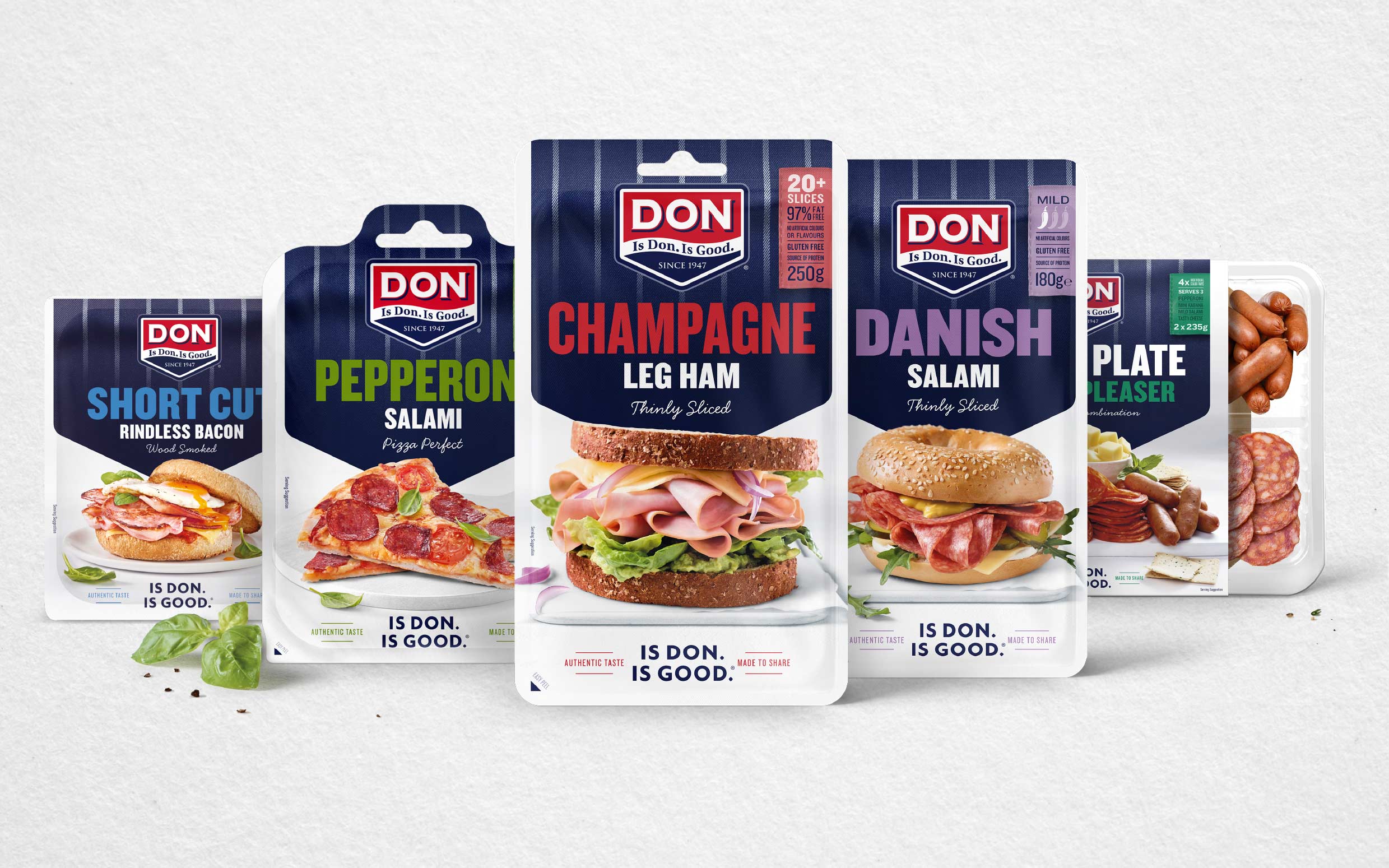
Look at what the last decade of premiumisation was built on. Soft-touch laminates. Metallised films. Matte black tubs. Multi-layer pouches with windows. Almost every finish the category used to signal quality is a format that recovery systems struggle with. The premium toolkit and the penalty list are close to identical.
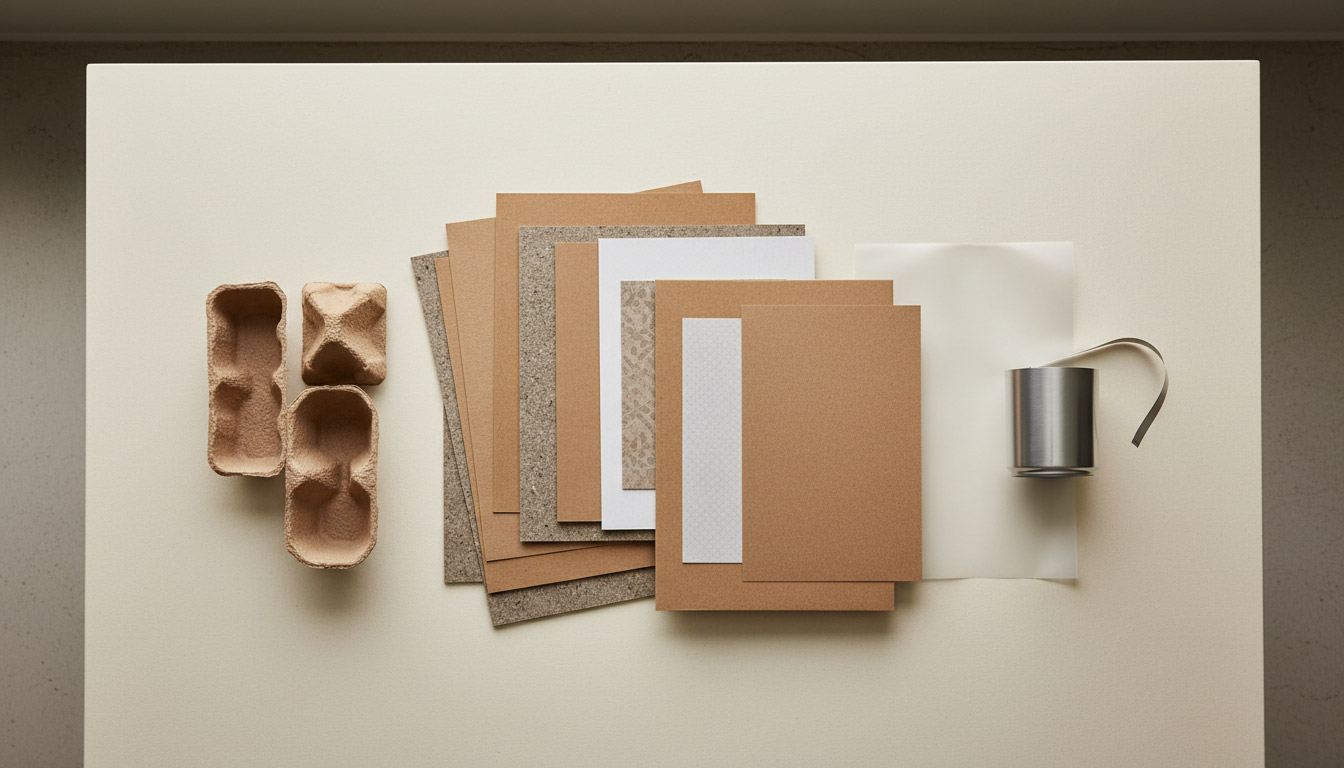
This is not an argument for beige cardboard. It is an argument for rebuilding premium cues on foundations that survive the fee structure. Structure, typography, colour confidence and print craft can carry the quality signal that laminates used to carry. The brands that work this out early get a double win. Lower fees, and a shelf story the retailer actually wants to hear.
Sustainability just moved from the brand deck to the P&L. The pack that costs less to recover will soon cost less to sell.
The majors will move before the regulation does.
Coles and Woolworths carry their own packaging targets and their own reputational exposure. When a category manager reviews a range, recyclability is becoming a listing criterion, not a nice-to-have. A pack that creates a problem for the retailer's own reporting is a pack that starts the pitch behind. A pack that solves it walks in with an advantage the deck cannot manufacture.
The Australasian Recycling Label is part of this. Treated as a compliance sticker, it clutters the back of pack and does nothing. Treated as a design element, it becomes proof of claim at the exact moment shoppers have stopped believing vague green language. Regulators are also tightening the rules on sustainability claims, so the brands still trading on soft words are exposed twice.
Audit the range before the fee notice arrives.
- Rank every SKU by recyclability and flag the formats that will attract the highest fees.
- Identify which premium cues depend on penalised materials, and what replaces them.
- Check every colourway against what optical sorting can actually read.
- Decide what the ARL looks like as a designed element, not an afterthought.
- Cost the mono-material alternative now, before the regulation prices it for you.
None of this requires waiting for the final regulation. The direction is set and the timeline is public. The brands that treat recyclability as a design constraint this year will treat it as a competitive advantage next year. The ones that wait will pay for the same transition twice. Once in fees, and once in a rushed redesign.