Nobody pays a premium for a factory.
A buyer like Danone already has science, plants, distribution and buying power. It can replicate a protein drink or a coconut water. What it cannot replicate is a brand that shoppers already reach for without thinking. That is the part of the price that sits above the value of the assets on the balance sheet, and it is usually the biggest part.
Strip a challenger brand back to what actually transfers in a sale and the list is short. The formulation, the retail listings, the customer data, and the brand's recognisable codes. The first three can be rebuilt by a multinational in a year or two. The codes took a decade of shelf presence to earn. That is the asset.
Owned codes travel. Category codes stay behind.
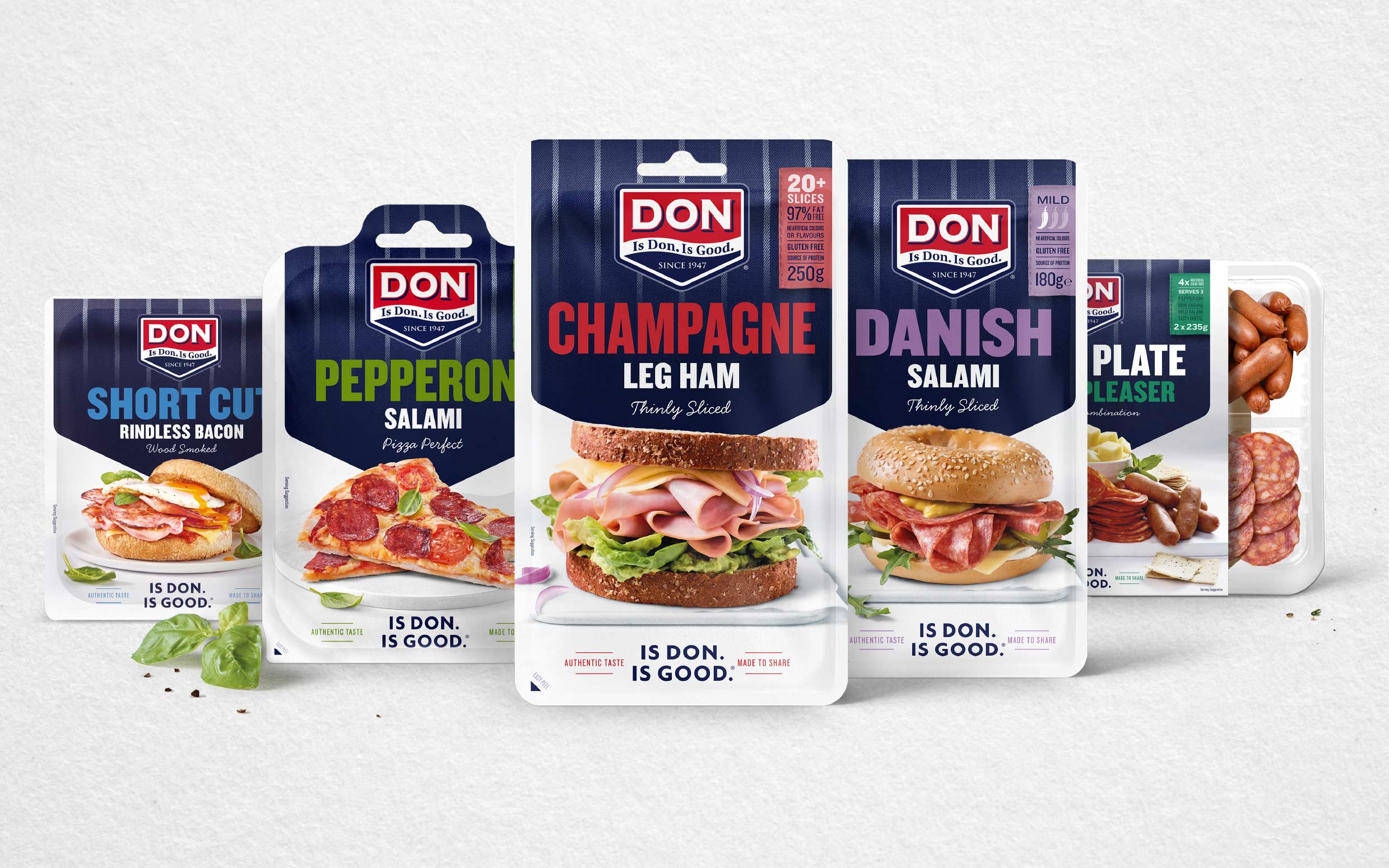
Made Group opened a Singapore headquarters and a Thai manufacturing hub in 2024 to push into Southeast Asia. That tells you what an acquirer is looking for. A brand that can read on a shelf in Bangkok, where nobody has heard the founder story and the category conventions are different. Only distinctive, owned codes make that trip. A colour, a structure, a mark the shopper recognises before they read the name.
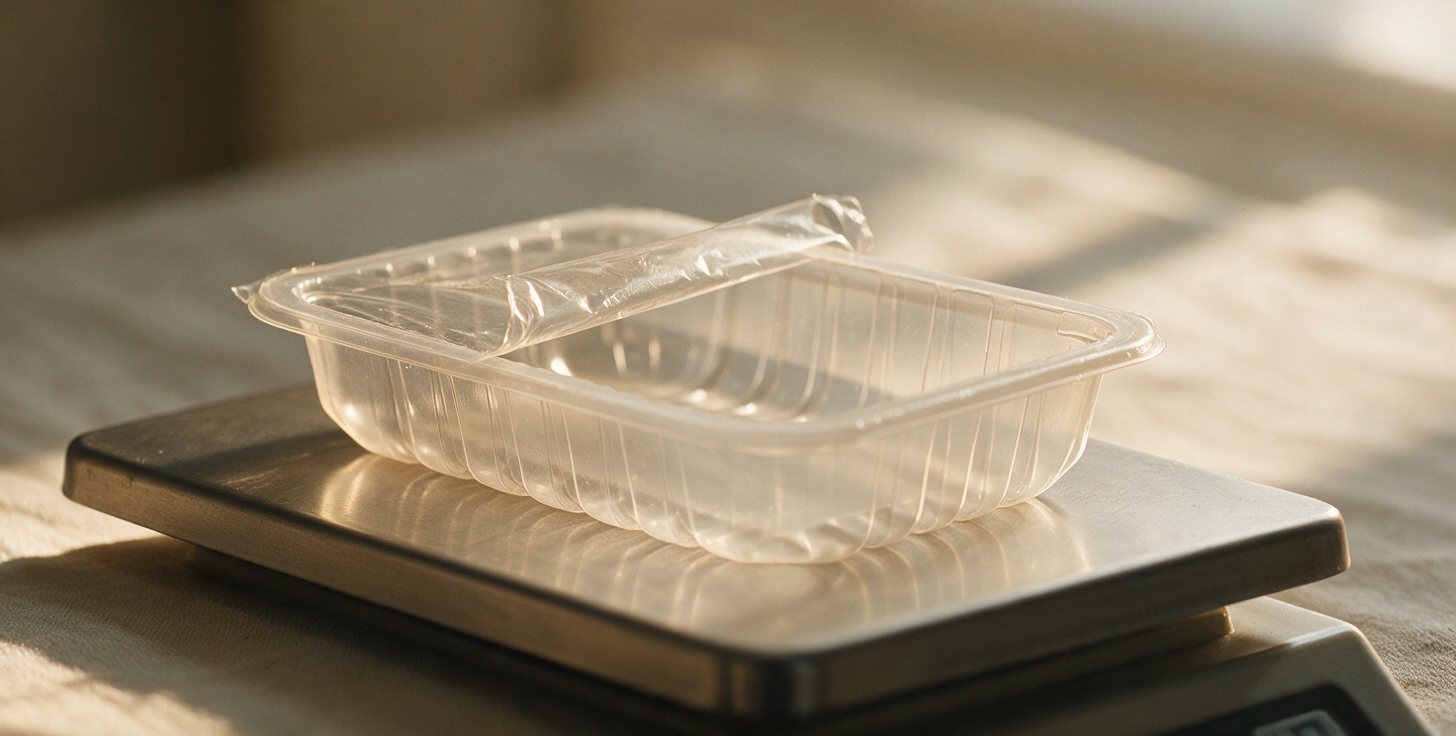
Brands that borrowed their look from the category leader have nothing to carry. Clean white, a green stripe and a leaf belong to the whole fixture, not to you. They survive a takeover in the sense that they remain on the pack, but nobody is paying for them, because nobody can tell them apart.
A buyer can replace your factory, your team and your distributor. They cannot replace what the shopper already remembers.
Weak design decisions show up in the data room.
When an acquirer goes through a brand properly, the packaging is examined as an asset with liabilities attached. We have seen the same problems surface again and again, usually years after the design decision that caused them.
- A wordmark or pack device that was never registered, or cannot be, because it is too close to something else on shelf.
- Typefaces, illustrations or photography licensed for a small run, not for national retail or export.
- No clean master artwork. Every SKU was adapted from the last one, and nobody can say which file is current.
- A pack system that breaks at twelve SKUs, so every new flavour or market needs a redesign.
- Claims and panels built around one market's rules, with no room to localise.
- Equity that lives in the founder's face and voice rather than on the pack.
None of these kill a deal on their own. All of them are priced in. Each one becomes a cost the buyer has to absorb after settlement, and a smart buyer takes that cost off the price before it signs.
Design as if the buyer is already in the room.
Most brands we work with have no plan to sell. That does not change the advice. The disciplines that make a brand acquirable are the same ones that make it cheaper to run. Distinctive codes that you own and protect. A pack architecture that absorbs new SKUs and new markets without starting over. Clean, documented artwork and a brand guide that lets a new team pick it up on day one.
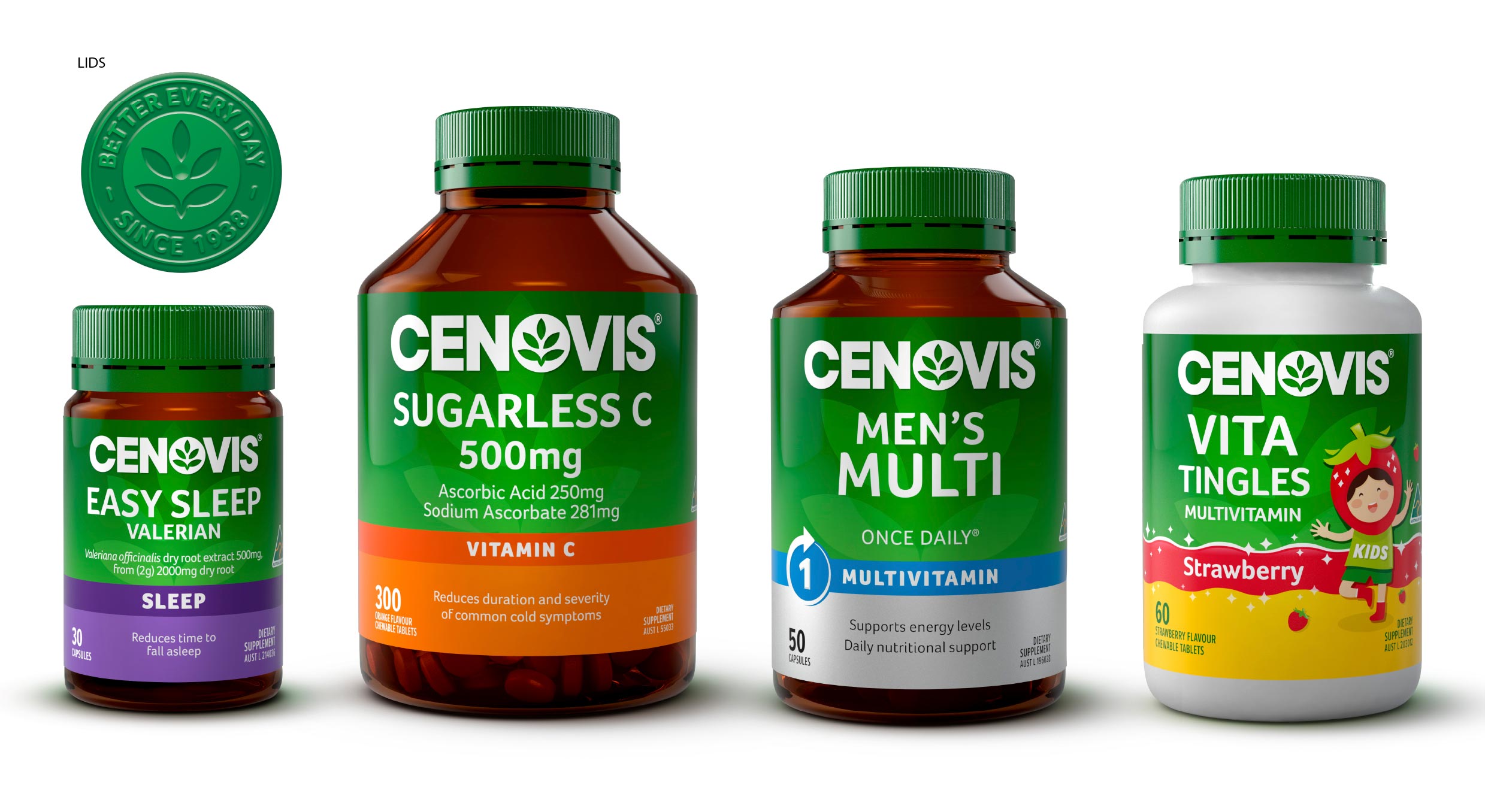
This is also why heritage brands inside large portfolios get rebuilt carefully rather than replaced. On Cenovis, the job was to sharpen the codes the shopper already trusted and build a system around them, not to throw them away for something fashionable. The owner is protecting an asset with a value attached. Challenger brands should think the same way from the first pack. Every design decision either adds to the number a buyer would pay, or quietly takes something off it.